
- Quality of down matters: Look at loft, fill power, and down weight to determine warmth, compressibility, and long-term performance.
- Goose vs duck down: Goose down offers larger clusters and higher warmth-to-weight ratio for extreme cold, while duck down is more affordable for everyday use.
- Fill power indicates warmth: Higher fill power (700–800+) provides superior insulation without extra weight; lower fill power (400–500) is suitable for mild winter conditions.
- Materials impact durability and protection: Nylon, polyester, or ripstop shells protect against wind and moisture, while lining materials affect comfort and breathability.
- Proper fit is essential: Jackets should allow layering, cover hips or thighs, fit shoulders and sleeves properly, and prevent drafts to maximize warmth.
- Features enhance performance: Hoods, pockets, adjustable cuffs, storm flaps, and packability improve convenience and protect against harsh weather.
- Care and layering extend usefulness: Proper washing, drying, storage, and layering with base and mid-layers ensure long-lasting warmth and performance in all conditions.
Down jackets are a winter wardrobe staple, but not all down jackets are created equal. Whether you’re shopping for your first high-quality down jacket or looking to upgrade your current one, understanding materials, fit, and insulation is key. This guide breaks everything down in simple, practical terms to help you make the best choice for warmth, style, and durability.
What Is a Down Jacket?
A down jacket is a type of insulated outerwear filled with down feathers, usually from ducks or geese. These jackets are designed to trap body heat, making them highly efficient at keeping you warm without the bulk of traditional coats. Unlike synthetic insulation, down is lightweight, compressible, and provides superior warmth-to-weight performance.
The performance of a down jacket depends on three main factors: the quality of the down, the shell materials, and the construction of the jacket.
What Are Down Feathers and How Do They Work?
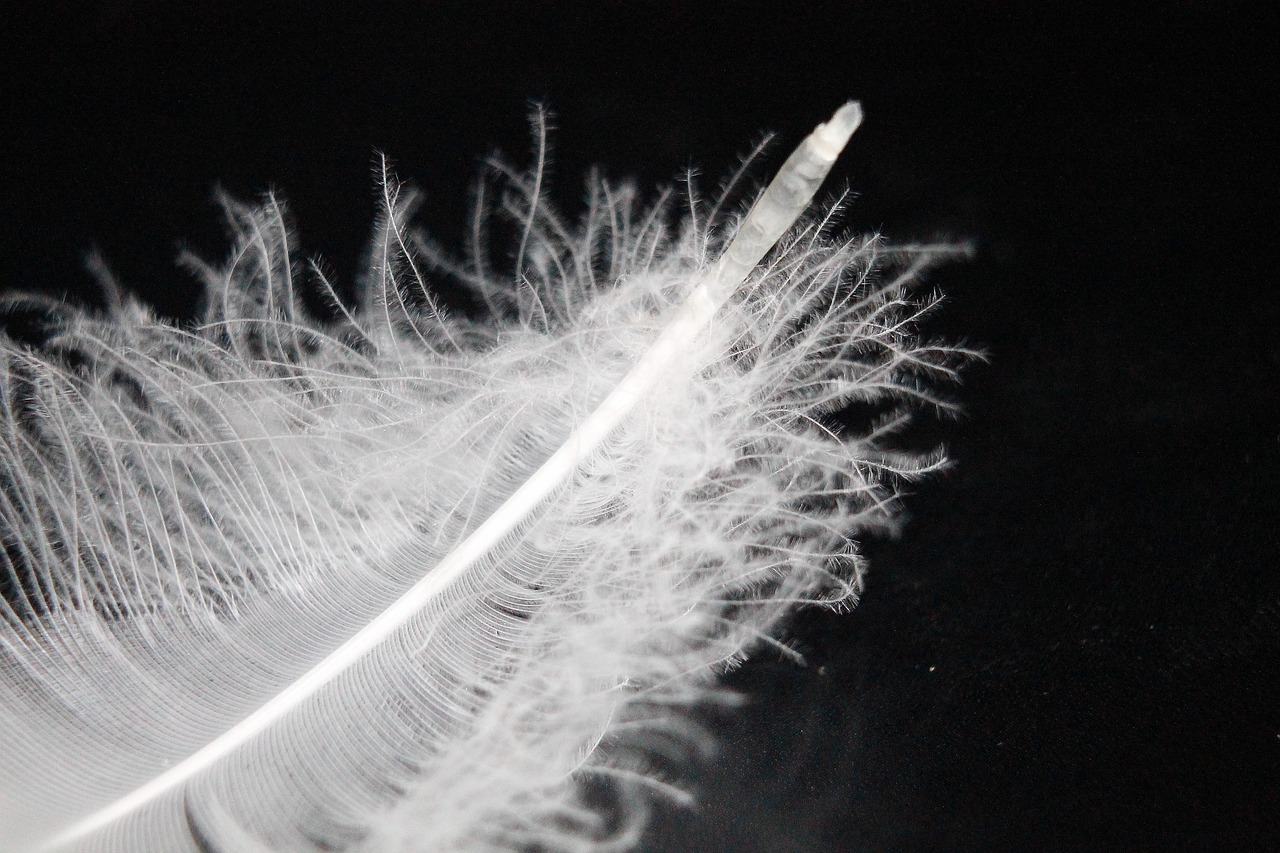
Down feathers are the soft, fluffy layer found under the outer feathers of birds like ducks and geese. Unlike the stiff, protective feathers on the outside, down feathers are lightweight, compressible, and highly effective at trapping heat. They work by creating thousands of tiny air pockets that hold body warmth close to the skin, providing natural insulation without adding bulk.
Here’s why down is so effective:
Loft:
Loft refers to the thickness or fluffiness of the down clusters. The higher the loft, the more air the down can trap, which translates to better insulation and warmth. Loft also affects how compressible the jacket is, making high-loft down jackets easy to pack for travel or outdoor adventures.
Fill Power:
Fill power measures the quality of the down by indicating how many cubic inches a single ounce of down can fill. Higher fill power means larger, more resilient clusters that provide better warmth relative to weight. For example, a jacket with 800 fill power will be lighter and warmer than a 600 fill power jacket with the same amount of down.
Weight of Down:
The total weight of down in the jacket determines the overall warmth. A jacket with more down will generally be warmer, but also slightly heavier. Manufacturers often balance fill weight and fill power to create jackets that are both lightweight and warm.
Clustering:
Down clusters naturally cling together, forming insulation pockets that move with your body. Unlike synthetic fibers, which remain uniform, down clusters shift to fill gaps, offering personalized warmth in every section of the jacket.
Durability:
High-quality down can retain its loft for many years if cared for properly. This makes down jackets a long-term investment compared to lower-grade synthetic alternatives.
By understanding loft, fill power, and down weight, you can better evaluate which jacket will meet your warmth needs while staying lightweight and comfortable.
Types of Down: Goose vs Duck
Down is commonly sourced from either geese or ducks. Each has its advantages:
- Goose down: Larger clusters, higher loft, and usually more expensive. Ideal for extreme cold.
- Duck down: Smaller clusters, slightly less expensive, and often easier to find in mid-range jackets.
Some jackets combine both for balance between performance and price.
How Fill Power Affects Warmth
Fill power is one of the most important indicators of a down jacket’s warmth. It measures how many cubic inches one ounce of down can fill. Essentially, fill power reflects the quality and loft of the down: higher fill power means larger, fluffier clusters that trap more air and provide better insulation without adding extra weight.
Understanding fill power helps you choose the right jacket for your climate and activity level:
- 400–500 fill power: This is entry-level down suitable for cool climates and casual everyday winter wear. Jackets in this range are warm but may feel slightly bulkier compared to higher fill power options. Ideal for city use or mild winters.
- 550–650 fill power: Jackets with this fill power strike a balance between warmth and weight. They are comfortable for colder winters while remaining lightweight enough for daily wear or light outdoor activities.
- 700–800 fill power: High-performance jackets fall into this range. Perfect for cold, dry conditions, these jackets are lightweight yet extremely warm, making them suitable for winter hiking, skiing, or prolonged exposure to cold weather.
- 800+ fill power: Premium down jackets for extreme conditions. Ultra-lightweight yet incredibly warm, these jackets are ideal for alpine expeditions, mountaineering, or long-term exposure to freezing temperatures. The high loft allows for compressibility and easy packing, making them a top choice for outdoor enthusiasts.
Keep in mind that warmth is also influenced by down weight, jacket construction, and layering. A well-constructed jacket with moderate fill power can sometimes outperform a poorly constructed high-fill-power jacket.
What Are the Materials Used in Down Jackets?
A down jacket is more than just feathers. It’s composed of three main components—the shell, the lining, and the insulation—each playing a crucial role in comfort, performance, and durability. Understanding these materials can help you pick a jacket that lasts and keeps you warm in all conditions.
Shell Materials
The shell is the jacket’s outer layer. Its primary purpose is to protect the down from wind, moisture, and abrasion while maintaining breathability. Common shell materials include:
- Nylon: Lightweight and strong, nylon is highly durable and can be treated to resist water and wind. It’s often used in premium jackets for outdoor and active wear.
- Polyester: Affordable, resistant to shrinking and wrinkles, and naturally more UV-resistant than nylon. Polyester shells are common in casual and mid-range jackets.
- Ripstop fabrics: Both nylon and polyester can be woven in a ripstop pattern, which prevents small tears from spreading. Ideal for outdoor jackets that need extra durability.
Many shells feature a DWR (Durable Water Repellent) coating, which allows water to bead off the surface rather than soaking into the down. While not fully waterproof, it’s effective for light rain and snow.
Lining Materials
The lining affects comfort and breathability. It’s what touches your clothing or skin, so the feel and weight matter. Popular lining materials include:
- Nylon taffeta: Smooth and lightweight, reduces friction, and helps jackets slide over layers easily.
- Polyester: Soft, breathable, and often more cost-effective.
- Fleece or brushed fabrics: Add extra warmth and comfort, ideal for colder climates or casual jackets.
A good lining also helps prevent down from poking through the shell, keeping the jacket looking smooth and feeling cozy.
Insulation: Down vs Synthetic
While this guide focuses on down, it’s helpful to understand how it compares to synthetic insulation:
Advantages of down:
- Extremely warm relative to weight, providing a high warmth-to-weight ratio.
- Compressible and easy to pack, ideal for travel or layering.
- Durable and long-lasting if cared for properly.
Drawbacks of down:
- Loses insulation power when wet unless treated with water-resistant coatings.
- Often more expensive than synthetic alternatives.
Synthetic insulation (e.g., PrimaLoft, Thinsulate):
- Performs better in wet conditions and dries faster.
- Generally more affordable and resistant to clumping.
- Bulkier and less compressible than high-quality down, which may affect packability.
Many jackets now combine water-resistant down with synthetic layers in key areas to maximize warmth and performance in wet or humid conditions.
How to Choose the Right Fit

Even the highest-quality down jacket won’t keep you warm if it doesn’t fit correctly. A proper fit ensures that heat is trapped close to your body while allowing freedom of movement.
Key Fit Tips
- Layering: Make sure there’s enough room for a base layer, and in colder climates, a mid-layer as well. A jacket that’s too tight will compress the down and reduce warmth.
- Length: Jackets that cover the hips or thighs provide better insulation and wind protection. Longer jackets are especially useful in extremely cold or windy conditions.
- Sleeve fit: Sleeves should end at your wrist without leaving gaps. Adjustable cuffs or elastic hems can help lock in warmth.
- Shoulder and chest fit: Look for jackets that allow natural movement without being too loose. A good fit prevents drafts and keeps the down evenly distributed.
A well-fitted down jacket balances comfort and performance, keeping you warm without restricting your movement.
What Features Make a Down Jacket Better?
Modern down jackets include features that enhance warmth, convenience, and durability. Consider these when choosing a jacket:
- Hoods: Adjustable, insulated hoods provide extra protection in cold and windy conditions. Some hoods are helmet-compatible for outdoor sports.
- Pockets: Internal and external pockets keep your hands warm and provide storage for essentials. Fleece-lined pockets add comfort.
- Zippers and storm flaps: Double zippers and overlapping storm flaps help prevent cold air from entering through openings.
- Adjustable cuffs and hems: Lock in warmth and block drafts, ensuring the jacket maintains a snug fit.
- Packability: Some jackets compress into small stuff sacks or pockets, making them ideal for travel and outdoor adventures.
Other thoughtful features include reinforced shoulders for backpacking, snow skirts for skiing, and ventilation zippers for regulating temperature during high-activity periods.
Are All Down Jackets Waterproof?
No. Down itself is not waterproof. Most down jackets are treated with a DWR coating, making them water-resistant rather than waterproof. If you plan to use your jacket in wet conditions, consider:
- Jackets with a water-resistant shell.
- Jackets with synthetic insulation in addition to down for extra protection.
- Layering with a waterproof shell over your down jacket.
How to Care for Your Down Jacket
Proper care extends the life and performance of your down jacket.
- Washing: Use a gentle detergent designed for down and cold water.
- Drying: Tumble dry on low with clean tennis balls or dryer balls to restore loft.
- Storage: Store loosely in a breathable bag or hang; avoid compressing for long periods.
- Repairs: Patch tears promptly to prevent down from escaping.
Avoid regular detergents or fabric softeners, as they can damage the down and reduce loft.
How Warm Is a Down Jacket?
The warmth of a down jacket depends on several factors: fill power, weight of down, fit, and layering.
- Lightweight jackets are great for cool autumn or mild winter days.
- Mid-weight jackets handle everyday winter conditions.
- Heavyweight or high-fill-power jackets are designed for extreme cold, alpine activities, or outdoor adventures.
Remember, warmth is not just about insulation; blocking wind and preventing heat loss are equally important.
Are Goose Down Jackets Worth the Price?
Goose down jackets often cost more, but they provide higher loft, durability, and better warmth-to-weight ratios. They are ideal if:
- You live in extremely cold climates.
- You want a long-lasting jacket.
- You prioritize lightweight and packable options for travel or outdoor sports.
Duck down jackets are still excellent for moderate climates and daily use, offering great warmth at a more affordable price.
How to Test a Down Jacket Before Buying
When trying on a down jacket, consider these points:
- Compress the jacket: Good-quality down should bounce back quickly.
- Check stitching: Look for tight baffles that prevent down from shifting.
- Inspect fill power: Higher fill power should feel fluffier and more resilient.
- Move around: Ensure freedom of movement and check for tight spots.
- Test hood and pockets: See if they meet your needs for warmth and convenience.
Common Mistakes When Buying Down Jackets
Avoid these mistakes to get the most out of your purchase:
- Buying too large or too tight a jacket.
- Ignoring fill power and loft.
- Assuming all down jackets are waterproof.
- Neglecting features like adjustable hems, hoods, or pocket placement.
- Skipping proper care instructions after purchase.
Down Jackets for Outdoor Activities
Different activities require different jackets.
- Hiking: Lightweight, packable, breathable, and wind-resistant jackets.
- Skiing/Snowboarding: Insulated, water-resistant jackets with helmet-compatible hoods and reinforced shoulders.
- Casual wear: Stylish, mid-weight jackets with functional features like pockets and hoods.
- Extreme cold: High-fill-power goose down jackets with full coverage, including insulated hoods and extended lengths.
Sustainable and Ethical Down
Many brands now offer responsibly sourced down certified by the Responsible Down Standard (RDS). RDS ensures:
- No live-plucking or force-feeding.
- Traceable sourcing from farms with humane treatment.
- Environmental and ethical accountability.
Sustainable down jackets may cost more but support ethical and environmentally responsible practices.
How to Layer With a Down Jacket
Layering maximizes warmth and comfort.
- Base layer: Moisture-wicking shirts or thermal tops.
- Mid-layer: Fleece, wool, or lightweight synthetic jacket for added insulation.
- Down jacket: Outer layer traps heat.
- Optional shell: Waterproof or windproof jacket over down for harsh weather.
Proper layering prevents overheating while keeping you dry and warm.
Frequently Asked Questions About Down Jackets
Q: Can I wear a down jacket in rain?
A: Only if it has a water-resistant shell or DWR coating. Otherwise, it can lose insulating power when wet.
Q: How do I know the jacket is warm enough for extreme cold?
A: Check fill power, weight of down, and consider layering. Jackets with 700+ fill power are best for extreme cold.
Q: How long does a down jacket last?
A: With proper care, a high-quality down jacket can last 10 years or more.
Q: Are lightweight down jackets worth it?
A: Yes, they are ideal for travel, layering, and moderately cold conditions due to their compressibility.
Q: Can down jackets be machine washed?
A: Yes, but use gentle detergents and tumble dry with dryer balls to maintain loft.
Conclusion: Choosing the Right Down Jacket for You
Selecting the perfect down jacket comes down to understanding your needs, climate, and lifestyle. Consider:
- The type of down and fill power.
- Materials of shell and lining.
- Fit and length for comfort and warmth.
- Extra features like hoods, pockets, and water resistance.
- Ethical and sustainable sourcing if important to you.
A well-chosen down jacket can last years, keep you warm in extreme conditions, and offer lightweight comfort. Whether you’re hiking, commuting, or exploring the outdoors, knowing the ins and outs of down jackets ensures you invest in a jacket that truly performs.