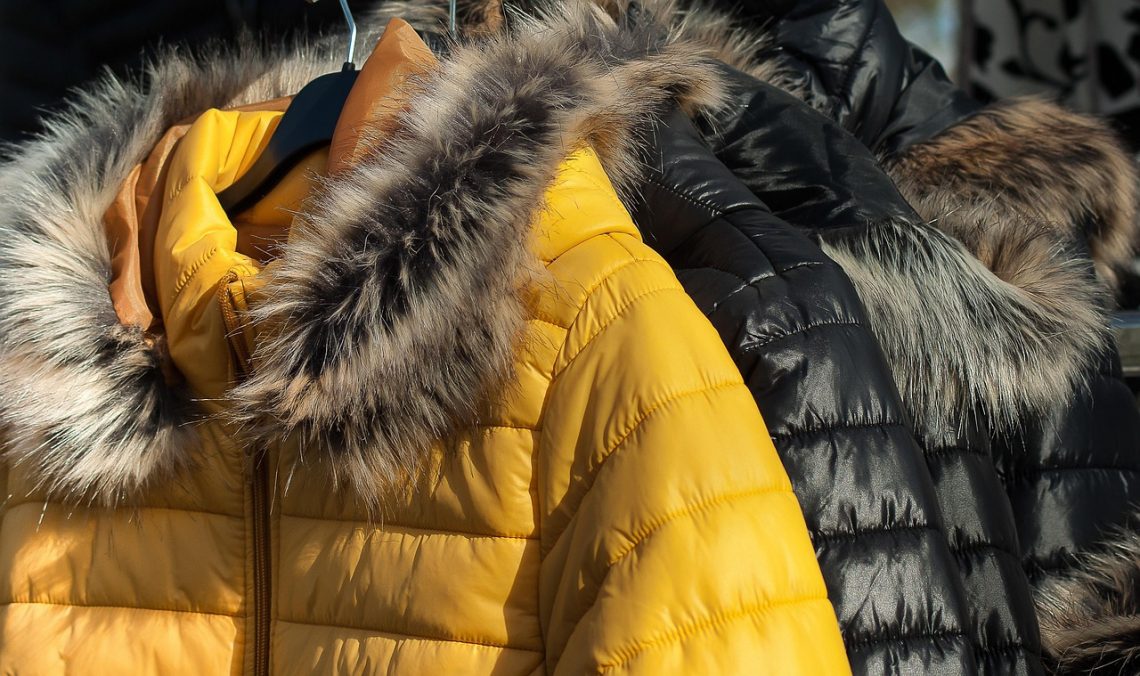

- Down is the key to warmth: The fluffy underlayer of feathers in ducks and geese traps air, providing excellent down jacket insulation. Higher fill power means better warmth without extra weight.
- Duck down vs goose down basics: Duck down is more affordable and common in everyday jackets but slightly heavier with smaller clusters, while goose down is warmer, lighter, and ideal for extreme cold.
- Fill power matters: Fill power measures the loft and insulating efficiency of down. Goose down often reaches higher fill powers, making jackets lighter and warmer for the same level of insulation.
- Warmth-to-weight ratio: Goose down generally offers superior warmth while being lighter and easier to pack, whereas duck down is slightly heavier but still effective for moderate winter conditions.
- Durability and cost considerations: Goose down can last 10–15 years and recover loft better, while duck down lasts 5–10 years. Goose down is pricier, but the investment may be worth it in harsh climates.
- Choosing the right jacket for your lifestyle: Consider your climate, activity level, budget, and packing needs. Duck down suits everyday wear and moderate winters; goose down excels in extreme cold, travel, and high-performance outdoor activities.
When winter hits, a good down jacket can be the difference between freezing and staying cozy. But if you’ve ever shopped for one, you’ve probably noticed the debate: duck down vs goose down. Which one actually keeps you warmer? Let’s break it down so you can make the right choice for your next winter jacket.
What Is Down and Why Does It Matter?
Unlike regular feathers, down traps air and provides excellent insulation, which is why it’s the main filling in down jackets. The more air pockets the down creates, the warmer the jacket keeps you.
Down quality is measured in fill power, which indicates how much space one ounce of down occupies. Higher fill power means better insulation and lighter jackets.
Key reasons down matters in jackets:
- Provides superior warmth without heavy bulk
- Compresses easily for travel or storage
- Lasts longer than synthetic insulation if cared for properly
Duck Down vs Goose Down: The Basics

At the most basic level, the difference comes down to the bird: ducks or geese. While this may sound simple, it has major implications for the warmth, weight, durability, and cost of your down jacket. Let’s break it down.
Duck Down
- Cost-effective: Duck down is usually less expensive than goose down, making it a popular choice for mid-range jackets.
- Smaller clusters: Duck down clusters are generally smaller, which means they trap slightly less air. As a result, jackets filled with duck down may provide slightly less warmth per ounce.
- Everyday wear: Most casual winter jackets use duck down because it offers a good balance of warmth and affordability.
- Slightly heavier: For the same level of warmth, duck down jackets can be a bit heavier than goose down options, which may affect comfort and packability.
Goose Down
- Premium price: Goose down tends to be more expensive due to its superior insulation properties and larger cluster size.
- Larger clusters for better insulation: The bigger down clusters trap more air, resulting in warmer and loftier jackets without adding bulk.
- Extreme conditions: Goose down jackets are ideal for very cold climates, high-performance outdoor activities, or anyone who prioritizes maximum warmth and lightweight comfort.
- Lightweight warmth: For the same level of insulation, goose down jackets are generally lighter and easier to compress, making them perfect for travel and layering.
Understanding these differences can help you choose the down jacket that best suits your climate, activity level, and budget.
How Fill Power Impacts Warmth
Whether it’s duck or goose down, fill power is critical. Think of it as a jacket’s efficiency rating. Higher fill power means the down traps more air, making it warmer without adding weight.
Typical fill power ranges:
- 400–500: Basic warmth, suitable for mild winters
- 500–700: Moderate warmth, everyday winter wear
- 700–900+: Extreme warmth, best for high-altitude or freezing conditions
Goose down usually reaches higher fill powers more consistently than duck down, which is why high-end jackets often use goose down.
Warmth vs Weight: Which One Wins?
One of the main considerations when choosing between duck down vs goose down is warmth-to-weight ratio.
- Duck Down Jackets: Slightly heavier for the same insulation level. Ideal for casual use or budget-friendly options.
- Goose Down Jackets: Lighter, loftier, and warmer. Perfect for extreme cold or if you want to pack light.
In short, if warmth is your top priority and you don’t mind spending more, goose down generally wins.
Durability and Longevity
A high-quality down jacket is an investment. How long it lasts depends on the down type and care:
- Duck Down: Works well for 5–10 years with proper care. Slightly less resilient under compression over time.
- Goose Down: Often lasts 10–15 years. Larger clusters recover loft more effectively after storage or packing.
Price Differences: Are They Worth It?
It’s no secret that goose down jackets are pricier. Here’s a quick comparison:
- Duck down jackets: Typically $100–$300 for mid-range options
- Goose down jackets: $250–$700+ for high-end jackets
Ask yourself: Is the extra warmth, lightness, and durability worth the cost? If you face harsh winters or travel to freezing climates, many consider it worth the investment.
How to Choose the Right Jacket for Your Lifestyle

When shopping for down jackets, consider these factors:
- Climate: Mild winters? Duck down may be enough. Extreme cold? Go for goose down.
- Activity: Hiking or skiing? Lighter goose down jackets are easier to move in.
- Budget: Duck down offers warmth at a lower price point.
- Packing Needs: If you need to compress your jacket for travel, goose down’s loft recovery is superior.
Duck Down vs Goose Down: Pros and Cons
Here’s a side-by-side summary:
Duck Down Pros
- Affordable
- Widely available
- Good for moderate winters
Duck Down Cons
- Slightly heavier
- Smaller clusters = less warmth per ounce
- Less durable in the long term
Goose Down Pros
- Extremely warm and lightweight
- Larger clusters = better loft
- Long-lasting if cared for properly
Goose Down Cons
- Expensive
- Sourcing may have ethical concerns if not certified
Tips for Identifying High-Quality Down Jackets
Not all down jackets are created equal. Look for these signs:
- Fill Power Label: Higher numbers = better warmth
- Down-to-Feather Ratio: Aim for at least 80/20 down-to-feather ratio
- Stitching: Baffle construction prevents down from shifting
- Water Resistance: Some jackets have DWR coating to protect the down from moisture
Caring for Your Down Jacket
To make your jacket last longer:
- Avoid frequent washing; spot clean when possible
- Use a front-loading washing machine with down-specific detergent
- Dry on low heat with clean tennis balls to restore loft
- Store in a breathable bag, not compressed in a tight closet
Ethical and Sustainable Considerations
If ethics matter, look for certifications:
- Responsible Down Standard (RDS) ensures humane treatment of birds
- Traceable sourcing guarantees the down comes from reputable suppliers
- Recycled down jackets offer a more eco-friendly option
Final Thoughts: Which Jacket Keeps You Warmer?
When it comes to the warmth battle between duck down vs goose down, goose down generally comes out on top. It offers superior insulation, is lighter in weight, and tends to last longer, making it the ideal choice for extreme cold or outdoor adventures. Duck down, on the other hand, is a reliable option for everyday winter wear, providing solid warmth at a more accessible price. Ultimately, the “best” jacket depends on your climate, lifestyle, and budget. By understanding the key differences between duck down vs goose down, you can confidently choose a jacket that will keep you cozy and comfortable throughout the winter season.