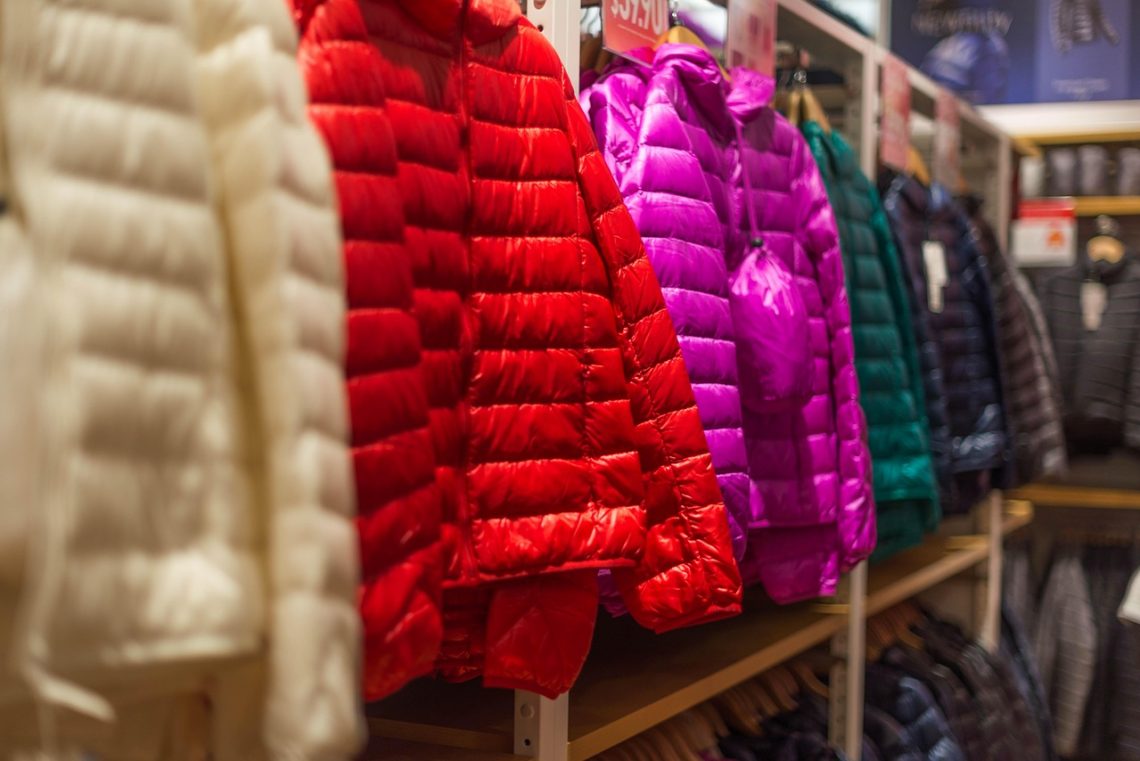
Down is the key to warmth: The fluffy underlayer of feathers in ducks and geese traps air, providing excellent down jacket insulation. Higher fill power means better warmth without extra weight. Duck down vs goose down basics: Duck down is more affordable and common in everyday jackets but slightly heavier with smaller clusters, while goose down is warmer, lighter, and ideal for extreme cold. Fill power matters: Fill power measures the loft and insulating efficiency of down. Goose down often reaches higher fill powers, making jackets lighter and warmer for the same level of insulation. Warmth-to-weight ratio: Goose down generally…
-
-
Quality of down matters: Look at loft, fill power, and down weight to determine warmth, compressibility, and long-term performance. Goose vs duck down: Goose down offers larger clusters and higher warmth-to-weight ratio for extreme cold, while duck down is more affordable for everyday use. Fill power indicates warmth: Higher fill power (700–800+) provides superior insulation without extra weight; lower fill power (400–500) is suitable for mild winter conditions. Materials impact durability and protection: Nylon, polyester, or ripstop shells protect against wind and moisture, while lining materials affect comfort and breathability. Proper fit is essential: Jackets should allow layering, cover hips…